Car Prices Set to Fall — Here's What Pakistan's New Auto Policy Means for You
Good news for Pakistani car buyers — and it has been a long time coming. The government's new Auto Industry Policy 2026-31, which takes effect from July 1, 2026, includes significant tax and tariff rationalisation that is expected to bring vehicle prices down over the coming years. Here is what is changing, and what it means if you are planning to buy a car.
The Problem: Pakistan's Cars Have Been Among the Most Taxed in the Region
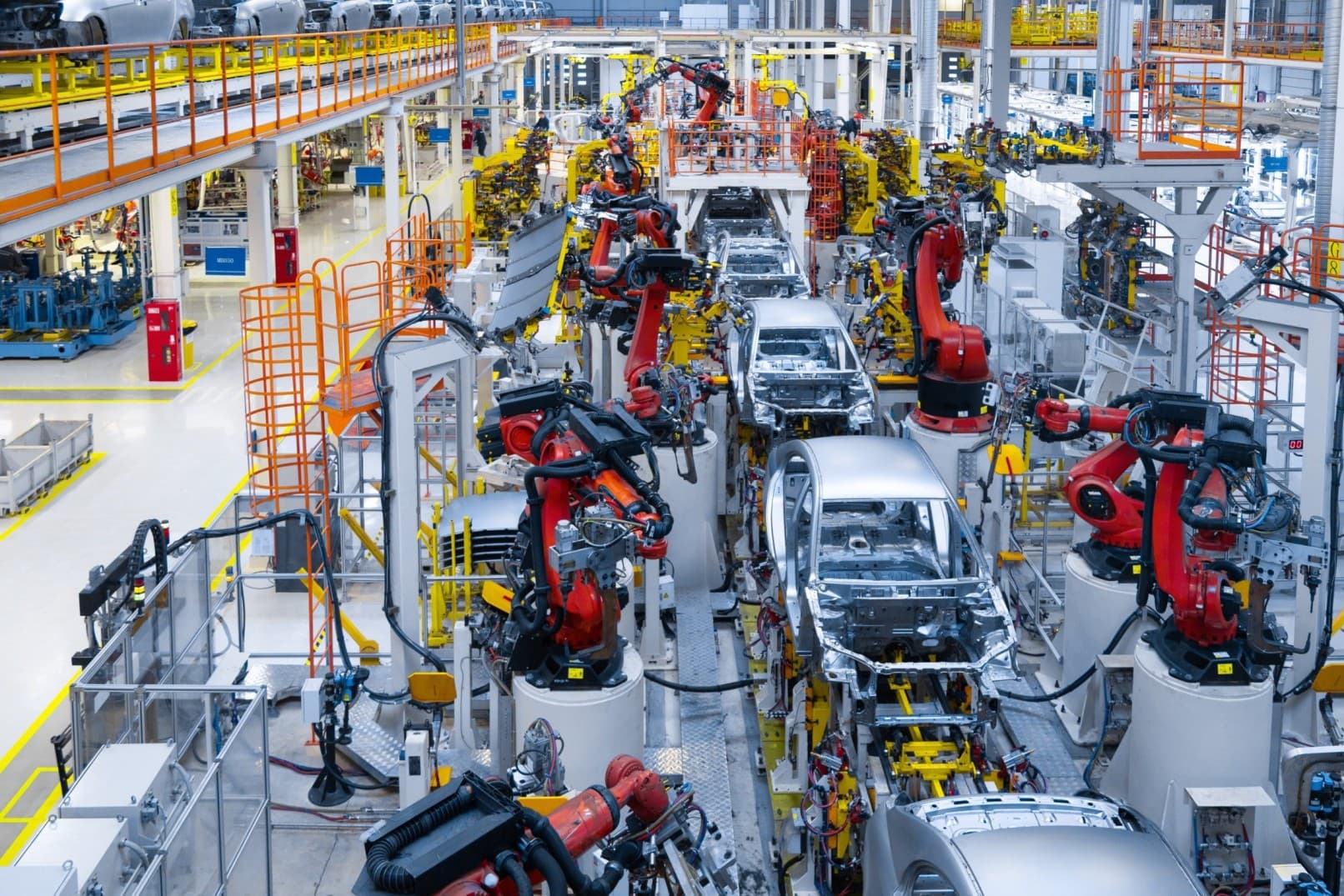
To understand why this matters, it helps to know where things stand today. More than 40-50% of the price of a locally assembled car in Pakistan comprises government duties, taxes, and levies. Additional Customs Duties (ACDs), Regulatory Duties (RDs), and sales tax stacking on top of each other have made cars here significantly more expensive than in comparable markets. A vehicle selling for Rs. 3 million in Pakistan might cost half that in a neighbouring country — with the gap almost entirely explained by the tax burden.
This has been the reality under a deliberately protectionist auto policy designed to shield local assemblers from foreign competition. That era is now coming to an end.
What Is Changing Under the New Policy
The Auto Industry Policy 2026-31, aligned with Pakistan's National Tariff Policy 2025-30 and IMF commitments, introduces the following reforms:
Duties capped at 15%: Customs duties on finished vehicles will be capped at a maximum of 15% over the next five years — down from current levels that can reach well above that in combination with ACDs and RDs.
Elimination of Additional Customs Duty: ACDs — which have added an extra layer of cost on top of standard customs duty — will be phased out entirely over four years.
Removal of Regulatory Duty: RDs, which have similarly inflated import costs, will be eliminated within five years.
Four-slab duty system: The complex web of tariffs will be simplified into just four clean slabs: 0%, 5%, 10%, and 15%.
Weighted average tariff falling to below 6%: The IMF staff report on Pakistan projects the weighted average applied tariff on automobiles to fall from around 10.6% in FY25 to below 6% by FY30 — a major structural shift.
Used Cars: Commercial Imports Now Allowed
Alongside duty rationalisation on new vehicles, the government has opened commercial imports of used cars for the first time. Previously, only overseas Pakistanis could bring in used vehicles under the baggage and gift scheme.
From July 2026, used cars up to five years old can be commercially imported, subject to meeting environmental and safety standards. The regulatory duty on used car imports starts at 40% above the equivalent rate for new vehicles, but drops by 10 percentage points every year:
Year | Additional Duty on Used Cars |
|---|---|
FY2026 | 40% above new car rate |
FY2027 | 30% |
FY2028 | 20% |
FY2029 | 10% |
FY2030 | 0% — full parity with new cars |
This creates new options for buyers who want a relatively new, feature-rich imported vehicle that simply was not available in the commercial market before.
When Will You Actually Feel It?
This is the honest part. The reductions are gradual and will take years to fully materialise. July 1, 2026 is the start, not the finish line. In the immediate term, the biggest direct benefit is likely to be:
More competition — with more imported options in the market, locally assembled car makers will face pressure to improve quality and value at every price point
More choice — the used car import opening adds an entirely new segment of vehicles that buyers have never been able to access through official channels
Long-term price relief — as ACD and RD removal accelerates from 2027 onwards, ex-factory prices on locally assembled cars should start reflecting lower input costs
What buyers should not expect is an overnight 30% price cut on the Honda City or Toyota Yaris. The pace of relief depends on how faithfully duties are reduced on schedule, what happens to the rupee-dollar exchange rate, and whether local assemblers pass savings through or absorb them as margin.
What This Means if You Are Buying Now
If you are sitting on the fence about buying a car in the next 6-12 months, this is relevant context — but probably not a reason to wait indefinitely. Prices are not going to crash suddenly; the changes are phased over five years.
What it does mean is that the used car market is about to become far more interesting from July 2026 onwards, as officially imported five-year-old vehicles from Japan, Korea, and elsewhere enter through proper commercial channels with warranty support.
Browse the latest car listings and track market prices at CarDeal.pk.
Source: Dawn, April 14, 2026.
CarDeal
Bringing you the latest automotive news and insights from Pakistan