Chinese EVs Are Reshaping Pakistan's Roads — Here's What You Need to Know
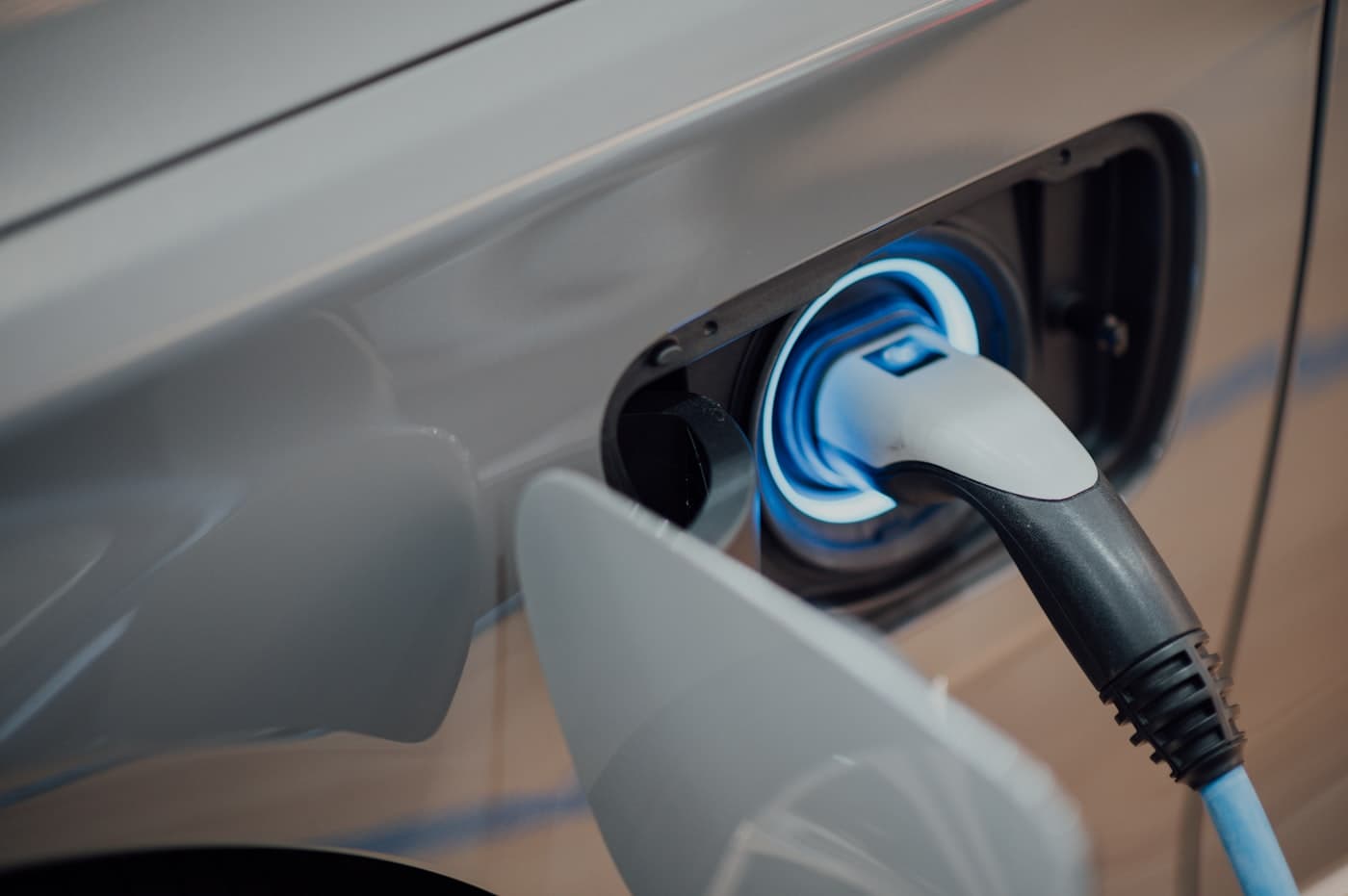
Pakistan's automobile landscape is going through its biggest shake-up in decades, and it's being driven — quite literally — by Chinese electric vehicles. From BYD building an assembly plant near Karachi to Changan unveiling its all-electric DEEPAL brand, the country's streets are about to look very different.
BYD Hits the Ground Running
When BYD first shipped its EVs to Pakistan in March 2025, many wondered whether a market long dominated by Toyota and Suzuki was ready for the switch. The answer came quickly: early sales surpassed internal targets by roughly 30%, and the company posted a profit of around PKR 444 million in its very first quarter of operations.
Now, the world's largest EV manufacturer is doubling down. A full-scale assembly plant — a joint venture with Mega Motor Company (a subsidiary of Hub Power) — has been under construction near Karachi since April 2025. The first locally assembled BYD is expected to roll off the line by mid-2026, with annual capacity set at 25,000 units. That's a serious statement of intent for a market where total EV sales were only around 1,000 units in 2024.
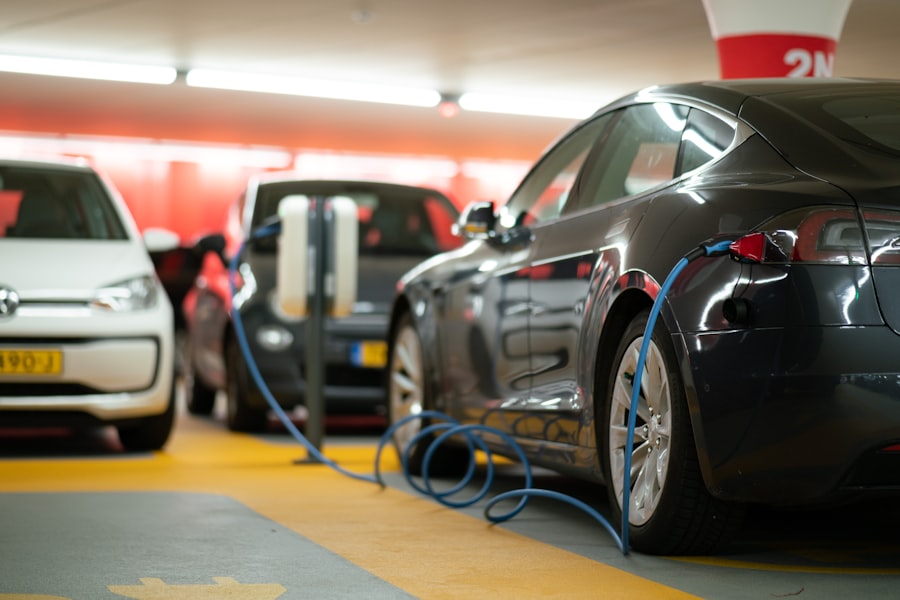
Electric SUVs are rapidly gaining popularity among Pakistani buyers. Photo: Unsplash
Beyond the Atto 3 and Seal already available at dealerships, BYD launched the Shark 6 plug-in hybrid pickup in July 2025 — a first for Pakistan's pickup segment. And word is that two more models, including a compact SUV and a luxury sedan, are coming before the end of 2026.
Changan Goes All-Electric with DEEPAL
Not to be outdone, Master Changan Motors launched its DEEPAL sub-brand in Karachi — an electric-first lineup that debuted with two vehicles: the L07, a sporty electric sedan, and the S07, a premium electric SUV. For a brand that has already built a solid reputation in Pakistan through its petrol-powered Alsvin and Oshan models, the move into EVs feels like a natural next step.
The Bigger Picture: Everyone's Joining In
BYD and Changan may be grabbing the headlines, but they're far from alone. GWM (Great Wall Motors) has partnered with Sazgar Engineering to bring the ORA 3 EV to local roads. MG already offers a plug-in hybrid SUV, and brands like Haval, JAC, BAIC, and Chery are all circling Pakistan's growing EV market.
3-4x
Expected EV market growth in 2025
30%
NEV target for new car sales by 2030
25K
BYD's annual plant capacity
Government Policy Is Catching Up
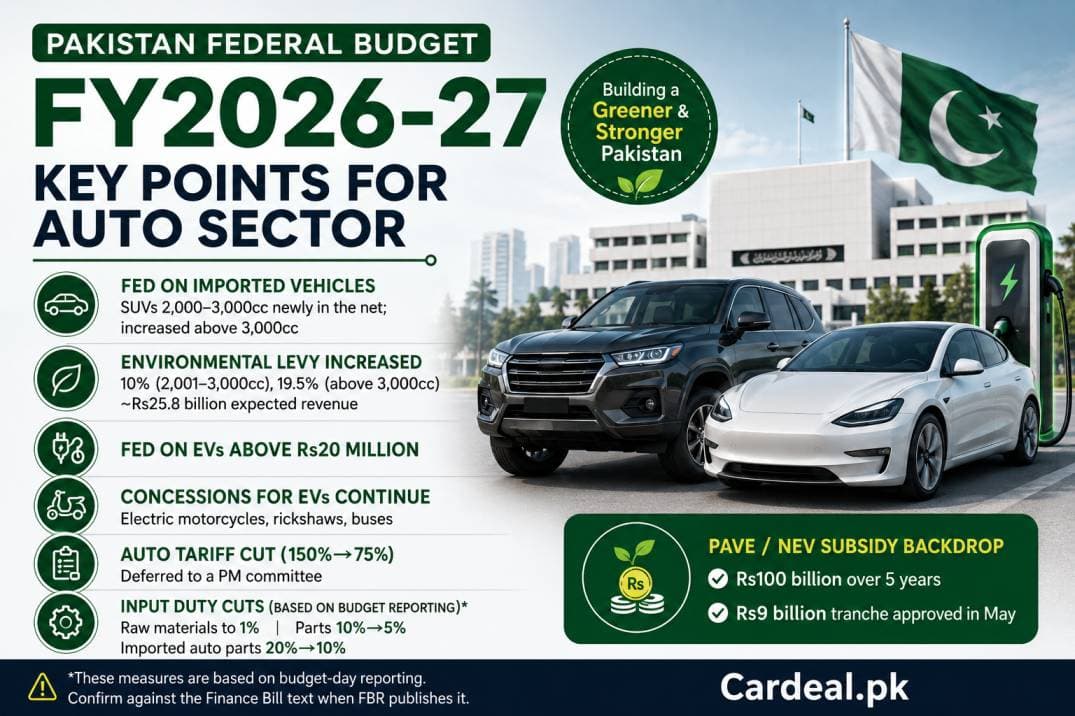
None of this would be happening without Islamabad's support. Pakistan's New Energy Vehicle (NEV) Policy 2025–2030 sets an ambitious target: 30% of all new vehicles sold by 2030 should be electric, scaling up to 90% by 2040. To get there, the government has rolled out tax breaks, reduced import duties on EV components, and — crucially — slashed electricity prices for car chargers by 45% in January 2025.
Quick Cost Comparison: Running an EV in Pakistan costs roughly PKR 840 per 100 km,
compared to about PKR 2,600 per 100 km for a petrol car. That's almost a third of the fuel bill — a big deal in a market where running costs often matter more than sticker price.
Charging infrastructure remains the main bottleneck, which is why plug-in hybrids (PHEVs) are expected to dominate the early wave of adoption. BYD Pakistan is collaborating with oil marketing companies to install 20–30 fast chargers in major cities, and Wave Tech has announced a $200 million lithium battery manufacturing plant at Karachi's Malir Industrial Park, with production slated for mid-2026.
What This Means for Pakistani Buyers
For the average car buyer in Pakistan, the takeaway is straightforward: you're about to have more options at better prices. Local assembly means lower duties, and competition among multiple Chinese brands will drive pricing down further. If you've been waiting for the right time to consider an EV, the second half of 2026 might be it.
Pakistan's Finance Minister Muhammad Aurangzeb has even floated the idea of turning the country into an EV export hub for right-hand-drive markets in Africa and South Asia — an ambition that, if realized, would further incentivize manufacturers to keep prices competitive locally.
The EV revolution isn't coming to Pakistan. It's already here.
CarDeal
Bringing you the latest automotive news and insights from Pakistan